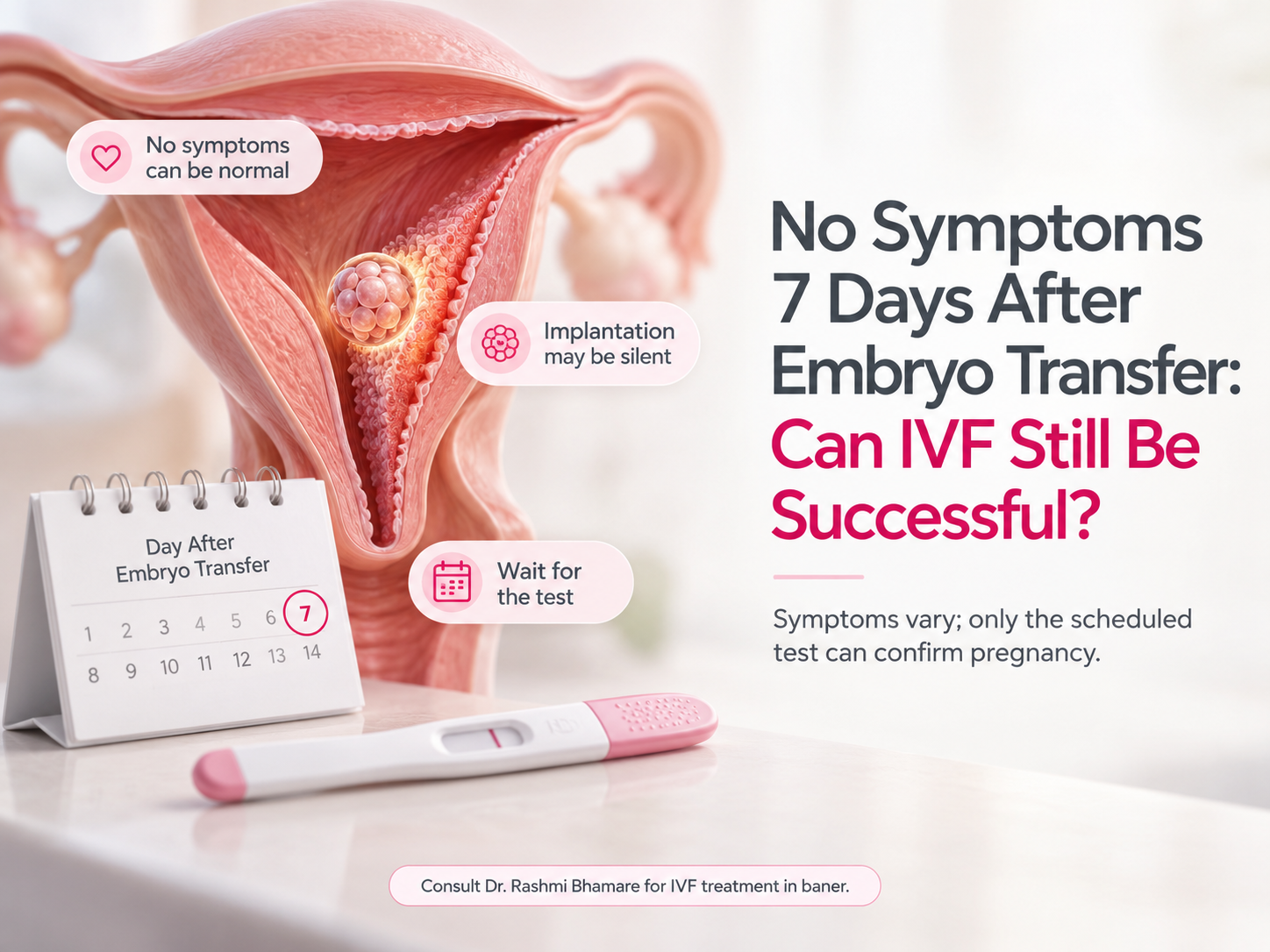
Yes, IVF can still be successful even if you have...

Our Services
Introduction:
Laparoscopic hysterectomy is a minimally invasive surgical procedure in which the uterus is removed using small incisions and a camera to guide the surgeon. It is an alternative to traditional open hysterectomy, offering a quicker recovery time and fewer complications.
Causes:
The reasons for performing a hysterectomy include:
- Uterine fibroids that cause severe bleeding, pain, or pressure
- Endometrial cancer or other uterine cancers
- Chronic pelvic pain that doesn’t respond to other treatments
- Endometriosis
- Uterine prolapse, where the uterus drops into the vaginal canal due to weakened pelvic floor muscles
- Chronic infections or abnormal bleeding not responding to other treatments
Symptoms:
- Heavy, prolonged menstrual bleeding
- Pelvic pain or pressure
- Vaginal bleeding between periods
- Painful intercourse
- Inability to control urinary functions (in cases of prolapse)
Diagnosis:
- Pelvic ultrasound or CT scan to visualize abnormalities in the uterus
- Endometrial biopsy to check for cancer or abnormal tissue growth
- Hysteroscopy to examine the uterus directly
- Pap smear (for cervical cancer screening)
Treatment:
- Laparoscopic Hysterectomy: The uterus is removed through small incisions made in the abdomen. The procedure may also involve removing the ovaries or fallopian tubes, depending on the underlying condition. A robotic-assisted laparoscopic hysterectomy is sometimes used for enhanced precision.
- Postoperative Care: Recovery involves managing pain, avoiding heavy lifting, and gradually returning to normal activities.
Conclusion:
Laparoscopic hysterectomy is a highly effective, minimally invasive treatment for a variety of uterine disorders. It offers the benefit of quicker recovery and minimal scarring compared to traditional open surgery. Women can resume normal activities sooner and with fewer risks.
We’d love to hear from you !
Our Gallery


Unveiling New Horizons in Fertility, One Article at a Time
Could This Be Perimenopause at 40? Understanding
Yes, perimenopause can begin around age 40, even if you...
Two Miscarriages in a Row: What Tests
If you have experienced two miscarriages in a row, you...
My AMH Is Low but My Periods
Yes, getting pregnant naturally is still possible even if your...