
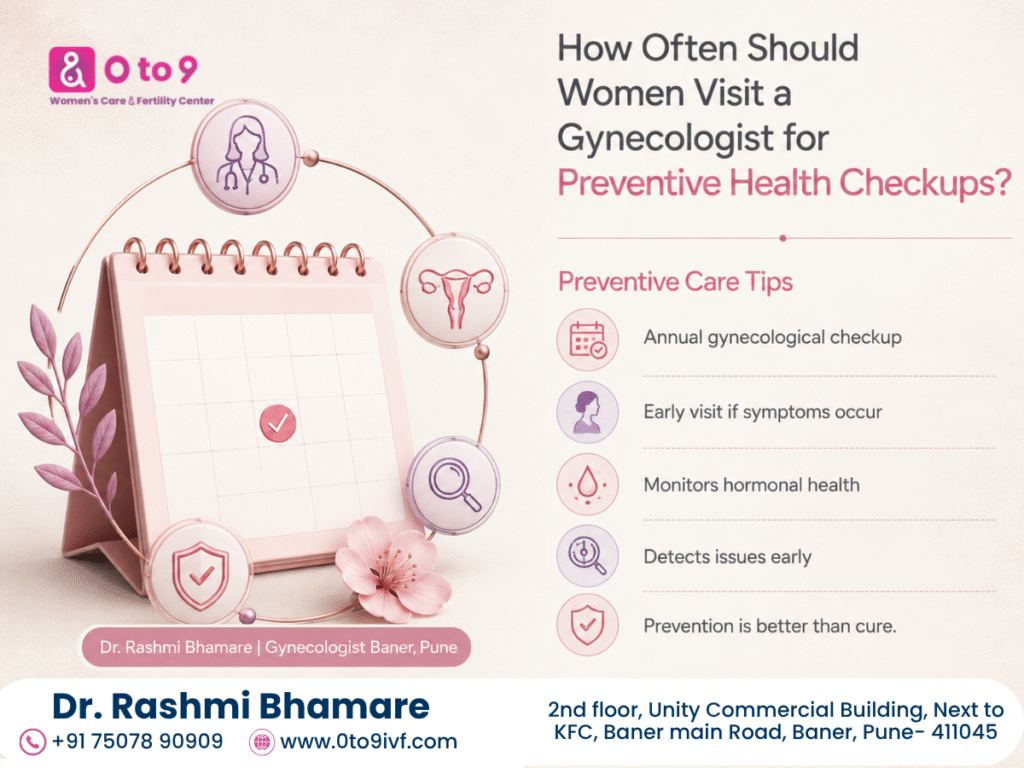
Women’s health needs change throughout different stages of life, from adolescence and reproductive years to menopause and beyond. While many women visit a doctor only when symptoms arise, preventive healthcare plays a crucial role in maintaining long-term well-being. Regular visits to a gynecologist can help detect health concerns early, provide guidance on reproductive health, and support overall wellness.
Whether you are planning a pregnancy, managing hormonal changes, or simply prioritizing your health, routine gynecological checkups should never be overlooked. Women seeking fertility guidance often consult an IVF specialist in Baner alongside their gynecological care to address reproductive health concerns proactively.
In this article, we’ll discuss how often women should visit a gynecologist, what preventive health checkups involve, and why regular screenings are essential for every stage of life.
Why Regular Visits to a Gynecologist Matter
A gynecologist specializes in women’s reproductive and hormonal health. Routine visits are not only about addressing existing issues but also about preventing future health complications.
According to the American College of Obstetricians and Gynecologists (ACOG), regular gynecological care helps identify health concerns early, often before symptoms become noticeable.
Source:
https://www.acog.org/womens-health
Preventive gynecological care can help detect:
- Cervical cancer and precancerous changes
- Breast health concerns
- Polycystic Ovary Syndrome (PCOS)
- Menstrual disorders
- Sexually transmitted infections (STIs)
- Fertility-related issues
- Menopause-related health concerns
Early diagnosis often leads to more effective treatment and better long-term outcomes.
How Often Should You Visit a Gynecologist?
The frequency of visits depends on your age, health history, and specific medical needs. However, for most women, an annual visit is recommended.
Adolescents and Young Women (Ages 13 to 21)
The first visit to a gynecologist is generally recommended between the ages of 13 and 15, according to ACOG.
These early visits focus on:
- Menstrual health education
- Puberty-related concerns
- HPV vaccination guidance
- Reproductive health counseling
In many cases, a pelvic exam may not be necessary unless symptoms or specific medical concerns exist.
Women in Their Reproductive Years (Ages 21 to 39)
For most women, scheduling a preventive checkup with a gynecologist once a year is ideal.
Annual visits may include:
- General reproductive health evaluation
- Contraceptive counseling
- Breast examination
- Discussion of menstrual irregularities
- Fertility planning
- Lifestyle and wellness assessment
Women who are sexually active or planning pregnancy may require additional consultations based on their individual health needs.
The Centers for Disease Control and Prevention (CDC) emphasizes the importance of routine screenings and preventive healthcare for maintaining reproductive health.
Source:
https://www.cdc.gov/womenshealth
Women Over 40 and Menopausal Women
As women age, regular gynecological care becomes even more important.
Annual visits help monitor:
- Perimenopause and menopause symptoms
- Bone health and osteoporosis risk
- Hormonal changes
- Urinary health issues
- Breast health concerns
The risk of several gynecological conditions increases with age, making preventive care a valuable part of healthy aging.
Essential Preventive Health Screenings Your Gynecologist May Recommend
Routine gynecological appointments often include specific screenings based on age and risk factors.
Cervical Cancer Screening
One of the most important preventive tests is the Pap smear.
According to the United States Preventive Services Task Force (USPSTF):
- Women aged 21 to 29 should have a Pap test every 3 years.
- Women aged 30 to 65 may have a Pap test every 3 years, HPV testing every 5 years, or combined testing every 5 years.
Source:
https://www.uspreventiveservicestaskforce.org
Regular screening significantly reduces the risk of cervical cancer through early detection.
Breast Health Screening
Your gynecologist may perform a clinical breast examination and discuss mammography recommendations based on your age and family history.
The American Cancer Society recommends that women discuss individualized breast cancer screening plans with their healthcare provider.
Source:
https://www.cancer.org
STI Screening
Sexually transmitted infections often present with few or no symptoms. Depending on lifestyle and risk factors, your gynecologist may recommend routine STI testing to protect reproductive health and prevent complications.
Signs You Should Schedule a Gynecologist Visit Sooner
While annual visits are important, some symptoms should not wait until your next routine appointment.
Consult a gynecologist promptly if you experience the following:
- Heavy or irregular menstrual bleeding
- Severe pelvic pain
- Unusual vaginal discharge
- Pain during intercourse
- Difficulty conceiving
- Persistent bloating
- Postmenopausal bleeding
Many gynecological conditions are easier to treat when identified early.
What to Expect During a Preventive Gynecological Checkup
Many women delay appointments due to anxiety or uncertainty about what to expect. In reality, preventive visits are designed to be informative and supportive.
A typical appointment may include:
- Review of medical and family history
- Discussion of menstrual and reproductive health
- Physical examination when appropriate
- Recommended screenings based on age and risk factors
- Guidance on nutrition, exercise, fertility, and overall wellness
Open communication with your gynecologist helps ensure personalized care tailored to your specific needs.
The Long-Term Benefits of Preventive Gynecological Care
Preventive healthcare is one of the most effective ways to protect your health and quality of life.
Regular visits to a gynecologist can help:
- Detect health conditions at an early stage
- Improve reproductive health outcomes
- Support healthy pregnancies
- Manage hormonal changes effectively
- Reduce the risk of serious complications
- Provide ongoing education about women’s health
Investing in preventive care today can help prevent more complex health issues in the future.
Prioritize Your Women’s Health with Expert Care
If you are due for a routine health checkup or have concerns about your reproductive health, seeking guidance from an experienced specialist is essential.
At 0 to 9 Women’s Care & Fertility Center, women receive comprehensive and personalized care under the expertise of Dr. Rashmi Bhamare. From preventive screenings and fertility evaluations to advanced gynecological treatments, the clinic is committed to supporting women through every stage of life.
If you are looking for a trusted gynecologist in Pune, Dr. Rashmi Bhamare and the team at 0 to 9 Women’s Care & Fertility Center provide compassionate, evidence-based care focused on prevention, early diagnosis, and long-term wellness.
#Gynecologist #GynecologistInPune #WomensHealth #PreventiveHealthcare #DrRashmiBhamare #FertilityCare #PregnancyCare #PCOSAwareness #WomenWellness #HealthcareForWomen