
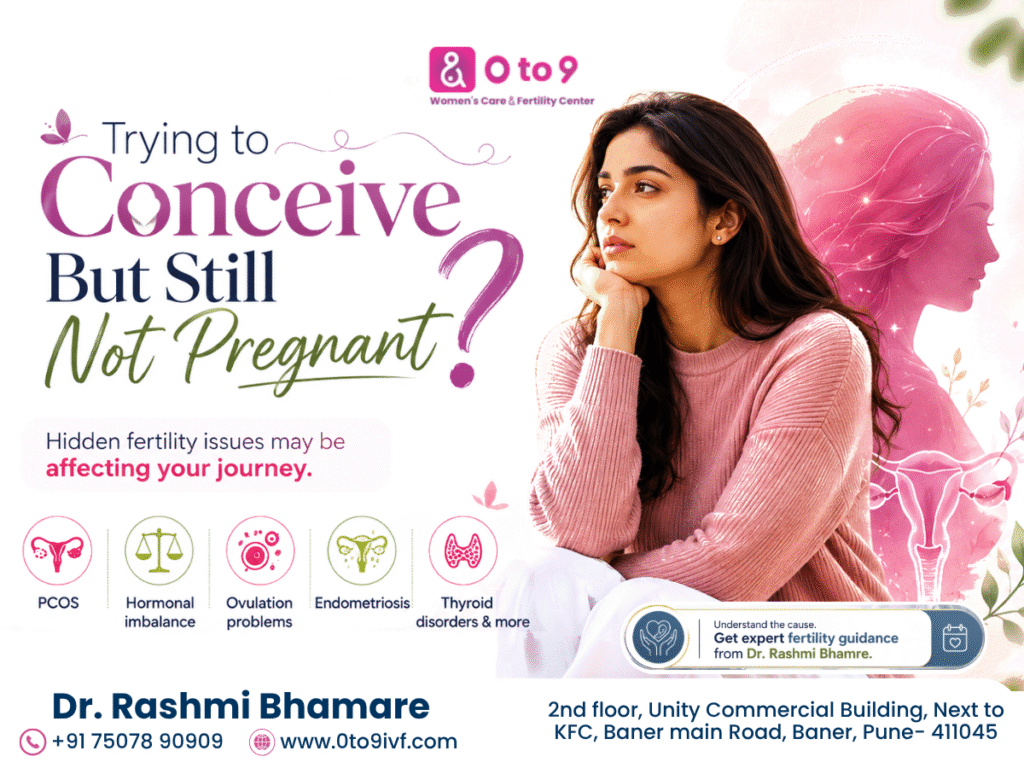
For many couples, trying to conceive feels exciting at first. But when months pass without a positive pregnancy test, it can quickly become emotionally exhausting and confusing. In many cases, the reason is not always obvious. Hidden fertility issues often go unnoticed until couples seek medical help from an infertility specialist.
According to the World Health Organization, infertility affects millions of people globally, with approximately 1 in 6 people experiencing infertility at some point in their lives. Source: https://www.who.int/news-room/fact-sheets/detail/infertility
If you have been trying to get pregnant for over a year, or for six months if you are above 35, it may be time to consult an expert. Early diagnosis can improve the chances of successful treatment and help you understand what may be affecting your reproductive health.
Many women initially visit a gynecologist in Baner for irregular periods, hormonal concerns, or pregnancy planning, only to discover underlying fertility conditions that were previously unnoticed. Dr. Rashmi Bhamare emphasizes that understanding the hidden causes of infertility is the first step toward the right treatment.
1. Polycystic Ovary Syndrome (PCOS)
PCOS is one of the most common causes of female infertility. It affects hormone levels and can interfere with regular ovulation.
Common signs include:
- Irregular or missed periods
- Weight gain or difficulty losing weight
- Acne and excessive facial hair
- Difficulty tracking ovulation
Women with PCOS may still have periods occasionally, which is why many do not realize it is affecting fertility. Proper medical guidance, lifestyle changes, and ovulation management can significantly improve pregnancy chances.
The Centers for Disease Control and Prevention reports that PCOS affects up to 5 million women of reproductive age in the United States alone. Source: https://www.cdc.gov/diabetes/risk-factors/pcos-polycystic-ovary-syndrome.html
2. Thyroid Imbalance
Your thyroid gland plays an important role in regulating hormones related to ovulation and pregnancy. Both hypothyroidism and hyperthyroidism can affect fertility.
Symptoms may include fatigue, weight changes, hair thinning, irregular periods, and mood swings. Unfortunately, many women ignore these signs because they seem unrelated to reproductive health.
A simple blood test can help identify thyroid problems early, making treatment easier and improving fertility outcomes.
3. Endometriosis
Endometriosis occurs when tissue similar to the lining of the uterus grows outside the uterus. It can cause inflammation, pain, and fertility challenges.
Many women assume painful periods are normal, which delays diagnosis for years. Symptoms may include:
- Severe menstrual cramps
- Pain during intercourse
- Heavy bleeding
- Chronic pelvic pain
According to the American Society for Reproductive Medicine, endometriosis is found in up to 50% of women experiencing infertility.
- Blocked Fallopian Tubes
Fallopian tubes are responsible for carrying the egg from the ovary to the uterus. If the tubes are blocked, fertilization becomes difficult or impossible.
Common causes include pelvic infections, untreated sexually transmitted infections, endometriosis, or previous abdominal surgeries.
What makes this condition difficult to identify is that many women experience no symptoms at all. Imaging tests such as HSG scans are often needed for diagnosis.
5. Poor Egg Quality
Many people associate fertility only with age, but egg quality can decline due to several factors beyond aging.
Factors that may affect egg quality include:
- Smoking or alcohol use
- Chronic stress
- Poor sleep patterns
- Nutritional deficiencies
- Autoimmune conditions
Women above the age of 35 may notice a natural decline in ovarian reserve, but younger women can also experience poor egg quality without obvious symptoms.
The American College of Obstetricians and Gynecologists states that female fertility gradually declines beginning around age 32 and more rapidly after age 37.
- Unexplained Infertility
Sometimes all test reports appear normal, yet pregnancy still does not happen. This condition is known as unexplained infertility.
While frustrating, it does not mean pregnancy is impossible. Fertility specialists often evaluate subtle factors like egg and sperm interaction, implantation challenges, or hormonal timing that standard tests may miss.
Modern fertility treatments can still offer excellent success rates even when the exact cause remains unclear.
7. Insulin Resistance and Metabolic Health
Insulin resistance is closely linked with hormonal imbalance and ovulation problems. It is commonly associated with PCOS but can also occur independently.
Warning signs may include:
- Constant fatigue
- Increased sugar cravings
- Difficulty losing weight
- Darkened skin around the neck or underarms
Research published by the National Institutes of Health highlights the strong relationship between insulin resistance and reproductive dysfunction.
Improving metabolic health through medical management, balanced nutrition, and physical activity can positively impact fertility.
8. Male Fertility Factors
Fertility challenges are not always related to women alone. Male infertility contributes to nearly half of infertility cases worldwide.
According to the Mayo Clinic, low sperm count, poor sperm motility, hormonal imbalance, infections, and lifestyle habits can all affect male fertility. Source: https://www.mayoclinic.org/
Despite this, many couples delay male fertility testing, which can postpone proper treatment. A semen analysis is often one of the first and most important fertility evaluations.
9. Chronic Stress and Lifestyle Habits
Stress may not directly cause infertility, but it can affect hormones, ovulation patterns, sleep quality, and overall reproductive health.
Modern lifestyle habits that may negatively impact fertility include:
- Lack of exercise
- Excessive caffeine or alcohol
- Smoking
- Poor diet
- High stress levels
- Inadequate sleep
Managing stress through mindfulness, physical activity, counseling, or relaxation techniques may help support fertility treatment outcomes.
When Should You See an Infertility Specialist?
Many couples wait too long before seeking professional guidance. You should consider consulting an infertility specialist if:
- You are under 35 and trying for more than 12 months
- You are above 35 and trying for more than 6 months
- You have irregular periods
- You have known PCOS or endometriosis
- You experienced recurrent miscarriages
- You have a history of pelvic infections or surgeries
Early evaluation helps identify hidden fertility issues before they become more complicated.
Read More –
- https://0to9ivf.com/4-major-causes-of-female-infertility-understanding-the-challenges-and-finding-the-right-treatment-in-baner/
- https://0to9ivf.com/irregular-cycles-a-silent-sign-of-infertility/
How 0 to 9 Women’s Care & Fertility Center Can Help
If you are struggling to conceive, expert guidance can make a significant difference. At 0 to 9 Women’s Care & Fertility Center, Dr. Rashmi Bhamare and her team provide compassionate and personalized fertility care tailored to each patient’s needs.
From advanced fertility evaluations and hormonal testing to ovulation management and reproductive counseling, the clinic focuses on identifying the root cause of infertility and creating the right treatment plan for every couple.
If you are searching for an experienced infertility specialist in Baner, 0 to 9 Women’s Care & Fertility Center offers comprehensive fertility support with a patient-centered approach designed to help couples move confidently toward parenthood.
#InfertilityAwareness #FertilityCare #WomensHealth #TryingToConceive #PCOSAwareness #IVFSupport #FertilityJourney #InfertilitySpecialist #BanerDoctors #PregnancyCare