
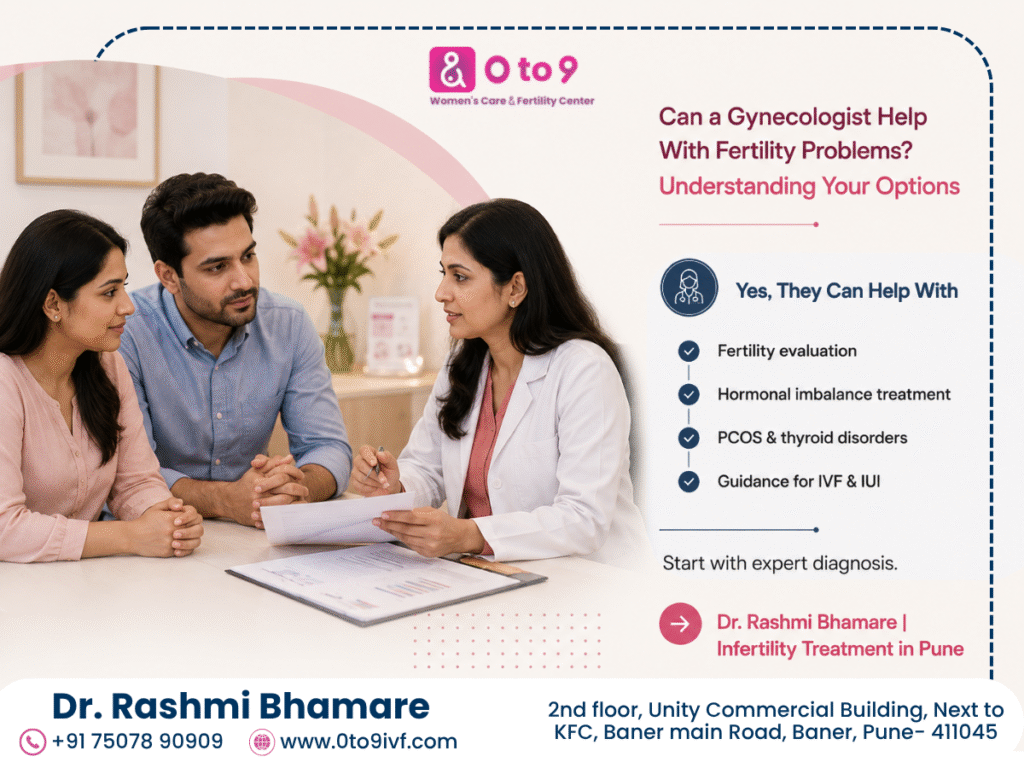
Starting a family is a dream for many couples, but for some, the journey to pregnancy may take longer than expected. When conception does not happen despite regular unprotected intercourse, it can be frustrating, confusing, and emotionally overwhelming. This is where a gynecologist can play a crucial role.
Many people associate a gynecologist only with pregnancy care and women’s health checkups. However, gynecologists are often the first healthcare professionals who help identify and manage fertility-related concerns. If you have been trying to conceive without success, consulting a gynecologist can be an important first step toward understanding the underlying cause and exploring suitable treatment options.
For couples seeking specialized reproductive guidance, consulting an infertility specialist in Baner may also be beneficial depending on the complexity of the case.
Understanding Infertility: When Should You Seek Help?
Infertility is generally defined as the inability to achieve pregnancy after 12 months of regular, unprotected sexual intercourse. For women over the age of 35, medical experts recommend seeking evaluation after six months of trying.
According to the World Health Organization (WHO), approximately 1 in 6 people globally experience infertility at some point in their lives.
Source: https://www.who.int/news-room/fact-sheets/detail/infertility
Infertility can affect both men and women and may result from a variety of factors, including hormonal imbalances, ovulation disorders, reproductive health conditions, lifestyle factors, or age-related changes.
A gynecologist is trained to assess many of these factors and guide patients toward appropriate diagnosis and treatment.
How Can a Gynecologist Help With Fertility Problems?
A gynecologist often serves as the first point of contact for fertility evaluation. They can identify potential issues, recommend tests, and create a treatment plan based on individual needs.
Comprehensive Fertility Assessment
The first step usually involves a detailed evaluation of your medical history, menstrual cycle patterns, lifestyle habits, and previous pregnancies if applicable.
A gynecologist may recommend the following:
- Hormone testing to evaluate ovulation and reproductive function
- Ultrasound scans to assess the uterus and ovaries
- Ovulation monitoring
- Assessment of menstrual irregularities
- Screening for reproductive disorders
This initial assessment helps identify factors that may be affecting fertility.
Diagnosing Common Causes of Female Infertility
Several gynecological conditions can impact a woman’s ability to conceive. A gynecologist can diagnose and manage conditions such as:
- Polycystic Ovary Syndrome (PCOS)
- Endometriosis
- Uterine fibroids
- Pelvic inflammatory disease
- Ovulation disorders
- Thyroid-related hormonal imbalances
According to the American College of Obstetricians and Gynecologists (ACOG), ovulation problems are among the most common causes of female infertility.
Source: https://www.acog.org/womens-health/faqs/evaluating-infertility
Early diagnosis can significantly improve treatment outcomes.
Evaluating Reproductive Health
A Gynecologist may also assess whether structural issues are preventing conception. Specialized imaging tests can help identify:
- Blocked fallopian tubes
- Uterine abnormalities
- Polyps
- Scar tissue within the reproductive tract
Understanding these factors allows doctors to recommend the most effective treatment strategy.
Fertility Treatment Options a Gynecologist May Recommend
The treatment approach depends on the underlying cause of infertility. Not every couple requires advanced fertility treatments. In many cases, simple interventions may be enough to improve the chances of pregnancy.
Lifestyle and Health Modifications
Sometimes fertility challenges are influenced by lifestyle factors.
A gynecologist may advise:
- Maintaining a healthy weight
- Improving nutrition
- Managing stress levels
- Quitting smoking
- Limiting alcohol consumption
- Following ovulation timing strategies
Research published by the Centers for Disease Control and Prevention (CDC) highlights that lifestyle factors can influence fertility outcomes in both men and women.
Source: https://www.cdc.gov/reproductivehealth/infertility
Medication for Ovulation Support
For women experiencing irregular ovulation, fertility medications may be prescribed to stimulate egg production and improve ovulation timing.
These treatments are commonly used in cases involving:
- PCOS
- Hormonal imbalances
- Irregular menstrual cycles
Regular monitoring by a Gynecologist helps ensure treatment safety and effectiveness.
Surgical Treatment When Needed
Certain fertility issues may require minimally invasive surgical procedures.
Examples include:
- Removal of uterine fibroids
- Treatment of endometriosis
- Removal of polyps
- Correction of uterine abnormalities
These procedures can sometimes improve natural conception rates by addressing physical barriers to pregnancy.
When Will a Gynecologist Refer You to a Fertility Specialist?
While many fertility concerns can be managed by a gynecologist, some situations may require advanced reproductive treatment.
Referral to a fertility specialist may be recommended if:
- Pregnancy has not occurred despite initial treatment
- Severe endometriosis is present
- Fallopian tubes are blocked
- Advanced maternal age is a concern
- Male-factor infertility is identified
- Assisted reproductive techniques such as IVF are needed
A collaborative approach between a gynecologist and fertility specialist often provides the best outcomes for couples facing complex fertility challenges.
The Importance of Early Evaluation
Many couples delay seeking help because they believe conception will happen eventually. While patience is important, timely evaluation can identify potential problems before they become more difficult to treat.
Fertility naturally declines with age, especially after 35. According to the American Society for Reproductive Medicine (ASRM), age remains one of the most significant factors affecting female fertility.
Source: https://www.reproductivefacts.org
Early consultation allows for better planning, faster diagnosis, and more treatment options.
Emotional Support During the Fertility Journey
Infertility is not just a medical issue. It often affects emotional well-being, relationships, and self-confidence. A compassionate gynecologist understands these challenges and can provide support, guidance, and reassurance throughout the process.
Open communication with your doctor can help reduce anxiety and ensure you feel informed about every step of your fertility journey.
Read More –
- https://0to9ivf.com/pregnancy-pains-understanding-round-ligament-pain-and-how-a-gynecologist-in-pune-can-help/
- https://0to9ivf.com/first-trimester-struggles-gentle-guidance-from-a-trusted-gynecologist-in-pune/
- https://0to9ivf.com/your-health-deserves-more-than-google-advice-consult-a-trusted-gynecologist-in-baner-pune/
Conclusion
If you are struggling to conceive, a gynecologist can be an invaluable partner in identifying the cause and helping you explore effective treatment options. From fertility assessments and hormonal evaluations to treatment planning and specialist referrals, gynecologists play a vital role in reproductive health care.
At 0 to 9 Women’s Care Clinic, Dr. Rashmi Bhamre provides comprehensive women’s health and fertility care tailored to each patient’s unique needs. Whether you are beginning your fertility journey or seeking answers to ongoing concerns, consulting an experienced gynecologist in Baner can help you take confident steps toward parenthood.
#Gynecologist #GynecologistInBaner #FertilityTreatment #InfertilityAwareness #WomenHealth #PregnancyPlanning #FertilityCare #DrRashmiBhamre #BanerPune #WomensHealthClinic