
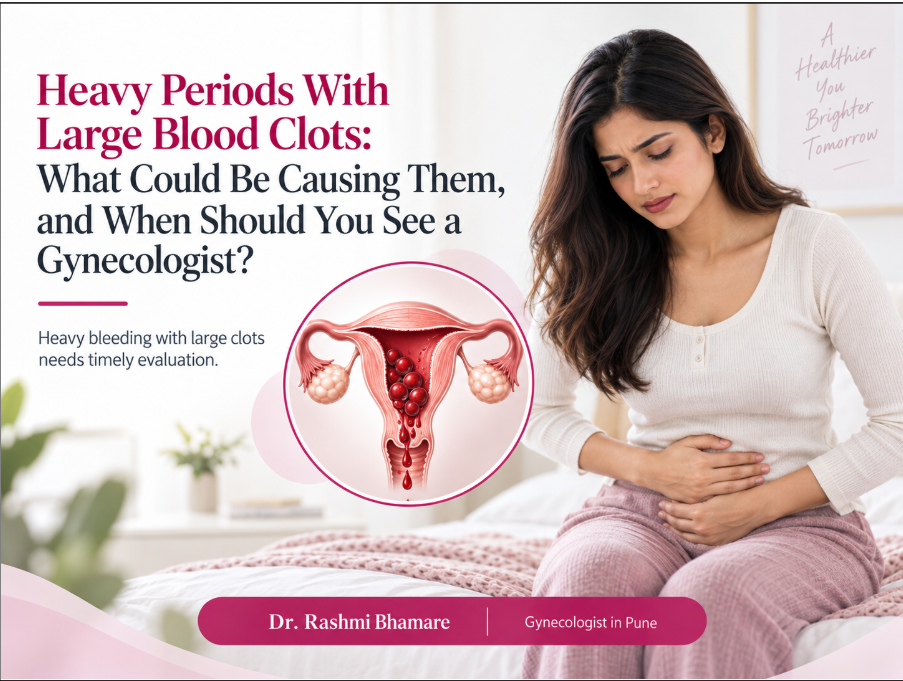
Understanding Heavy Menstrual Bleeding
Passing an occasional small clot during a period can be normal. When bleeding becomes much heavier than usual, lasts longer, produces repeated large clots or disrupts work and daily activities, it deserves medical attention.
Heavy menstrual bleeding is not defined only by an exact amount of blood. Doctors also consider how often menstrual products must be changed, whether bleeding causes flooding or night-time changes, how long it lasts and how it affects physical and emotional wellbeing.
Large clots can form when blood collects in the uterus or vagina faster than the body’s natural anticoagulant mechanisms can keep it liquid. The clot itself does not reveal the cause. Fibroids, hormonal changes, adenomyosis, pregnancy-related conditions, medicines and bleeding disorders can all produce similar symptoms.
How Can You Tell If a Period Is Unusually Heavy?
The American College of Obstetricians and Gynecologists, or ACOG, lists several signs of heavy menstrual bleeding. These include:
- Soaking through one or more pads or tampons every hour for several hours
- Needing to wear more than one period product at the same time
- Waking during the night to change a pad or tampon
- Bleeding for longer than seven days
- Passing clots approximately the size of a quarter or larger
- Feeling tired, weak or short of breath because of possible iron-deficiency anaemia
Source: ACOG heavy menstrual bleeding guidance
The NHS similarly advises seeking assessment when periods require product changes every one to two hours, last more than seven days, involve clots larger than about 2.5 centimetres or interfere with everyday life. Source: NHS heavy periods guidance
These signs provide useful guidance, but any major change from your normal pattern is worth discussing even if it does not fit every item on the list.
What Can Cause Heavy Periods and Large Clots?
Several conditions may affect menstrual flow:
- Fibroids: These noncancerous growths develop in or around the uterus. Fibroids that alter the uterine cavity can contribute to heavy or prolonged bleeding, pelvic pressure and pain.
- Adenomyosis: Tissue similar to the uterine lining grows into the muscular wall of the uterus. It may cause heavy bleeding, clots and painful periods.
- Problems with ovulation: When ovulation does not occur regularly, the uterine lining may build up and shed unpredictably. This can happen with PCOS, thyroid disorders, perimenopause and other hormonal conditions.
- Uterine polyps: These growths arise from the inner lining of the uterus and may cause heavy bleeding, spotting between periods or bleeding after sex.
- Bleeding disorders: Conditions such as von Willebrand disease can cause heavy periods, frequent nosebleeds, easy bruising or prolonged bleeding after procedures. ACOG identifies von Willebrand disease as an important cause of heavy menstrual bleeding. Source: ACOG guidance on von Willebrand disease
- Medicines and contraceptive devices: Anticoagulant medicines may increase menstrual bleeding. A recently inserted copper intrauterine device can also make periods heavier in some patients.
- Pregnancy-related bleeding: Bleeding with clots after a missed period may be associated with an early pregnancy loss or, less commonly, an ectopic pregnancy. A pregnancy test and timely evaluation may be necessary.
- Endometrial changes: Abnormal thickening of the uterine lining and, less commonly, uterine cancer can cause abnormal bleeding. Risk varies with age, medical history and bleeding pattern.
Heavy periods are common and are usually not caused by cancer. However, new bleeding between periods, after sex or after menopause should not be assumed to be a normal period.
Can Heavy Periods Cause Anaemia?
Repeated blood loss can reduce the body’s iron stores and eventually lower haemoglobin. Iron-deficiency anaemia may cause ongoing tiredness, weakness, headaches, dizziness, palpitations, pale skin or shortness of breath.
A person can have low iron stores before severe anaemia develops. This is why a complete blood count and, when appropriate, ferritin testing may be useful. Taking iron without evaluating the source of heavy bleeding may improve the deficiency temporarily but leave the underlying cause untreated.
How Will a Gynecologist Evaluate Heavy Bleeding?
The evaluation is based on age, symptoms, pregnancy possibility and medical history. It may involve:
- A detailed bleeding history: Your doctor may ask when the change began, how often you change products, clot size, pain, bleeding between periods and whether symptoms occur after sex.
- Pregnancy testing: This is important when pregnancy is possible, even if the bleeding resembles a period.
- Blood tests: A complete blood count can check for anaemia. Iron studies, thyroid testing or clotting tests may be advised according to the history.
- Pelvic examination: This may identify uterine enlargement, cervical changes or another source of bleeding.
- Pelvic ultrasound: Ultrasound can help assess fibroids, adenomyosis, ovarian findings and the thickness or appearance of the uterine lining.
- Hysteroscopy or endometrial sampling: These may be considered when polyps, changes inside the uterine cavity or endometrial disease are suspected. Age and personal risk factors influence this decision.
Tracking bleeding for two or three cycles can help. Note the dates, number of heavy days, frequency of product changes, clot size, pain and any bleeding between periods.
What Treatments May Help?
Treatment should address the cause, severity, anaemia, contraceptive needs and future pregnancy plans. Options can include tranexamic acid during the period, selected anti-inflammatory medicines, combined hormonal contraception, progestogen treatment or a hormone-releasing intrauterine system.
The NHS identifies hormonal contraception, tranexamic acid and prescribed anti-inflammatory medicines among common treatments for heavy periods. Source: NHS heavy periods guidance
When fibroids, polyps or another structural problem is responsible, a procedure may be considered. Choices can include hysteroscopic removal of a polyp or selected fibroid, other fibroid treatments, endometrial ablation for patients who do not want future pregnancy or hysterectomy in carefully selected cases.
Treatment must be individualised. Tranexamic acid and hormonal medicines are not suitable for everyone, and some treatments affect future fertility. Do not begin prescription medication or change anticoagulant treatment without medical advice.
When Should You Seek Urgent Medical Care?
Seek urgent care when bleeding is extremely heavy, you feel faint, weak or short of breath, you have chest pain or a rapid heartbeat, or severe pelvic pain occurs. Urgent assessment is also important when pregnancy is possible, particularly with one-sided pain, shoulder pain, dizziness or collapse.
Bleeding after menopause should always be evaluated. Contact a doctor promptly if heavy periods are accompanied by fever, foul-smelling discharge, worsening pelvic pain or symptoms of significant anaemia.
Consult a Gynecologist in Pune for Persistent Heavy Periods
Heavy bleeding should not have to become unbearable before you seek help. Identifying whether the cause is hormonal, structural, medication-related or linked to a bleeding disorder allows treatment to be chosen more accurately.
At 0 to 9 Women’s Care & Fertility Center, Dr. Rashmi Bhamare can evaluate heavy periods, clotting, pain and related concerns. Consulting a gynecologist in Pune can help you understand the cause and review treatment options while considering your overall health and future pregnancy plans.
This article is for general education and does not replace an individual medical consultation.
Frequently Asked Questions
1. Are large blood clots during a period always abnormal?
Small occasional clots can occur during a normal period. Repeated clots larger than about 2.5 centimetres, especially with flooding, bleeding longer than seven days, severe pain or symptoms of anaemia, should be assessed by a gynecologist.
2. Can fibroids cause heavy periods with clots?
Yes. Fibroids, particularly those that affect the inner uterine cavity, can cause heavy or prolonged periods, clots, pelvic pressure and anaemia. An ultrasound and clinical examination can help determine whether fibroids are present and whether they explain the bleeding.
3. What tests are commonly advised for heavy menstrual bleeding?
Testing may include a pregnancy test, complete blood count, iron studies and a pelvic ultrasound. Thyroid tests, clotting tests, hysteroscopy or endometrial sampling may be recommended depending on age, symptoms, examination findings and personal risk factors.
#heavyperiods #menstrualhealth #abnormaluterinebleeding #uterinefibroids #adenomyosis #periodproblems #gynecologistinpune #womenshealth #anaemiaawareness #pune