
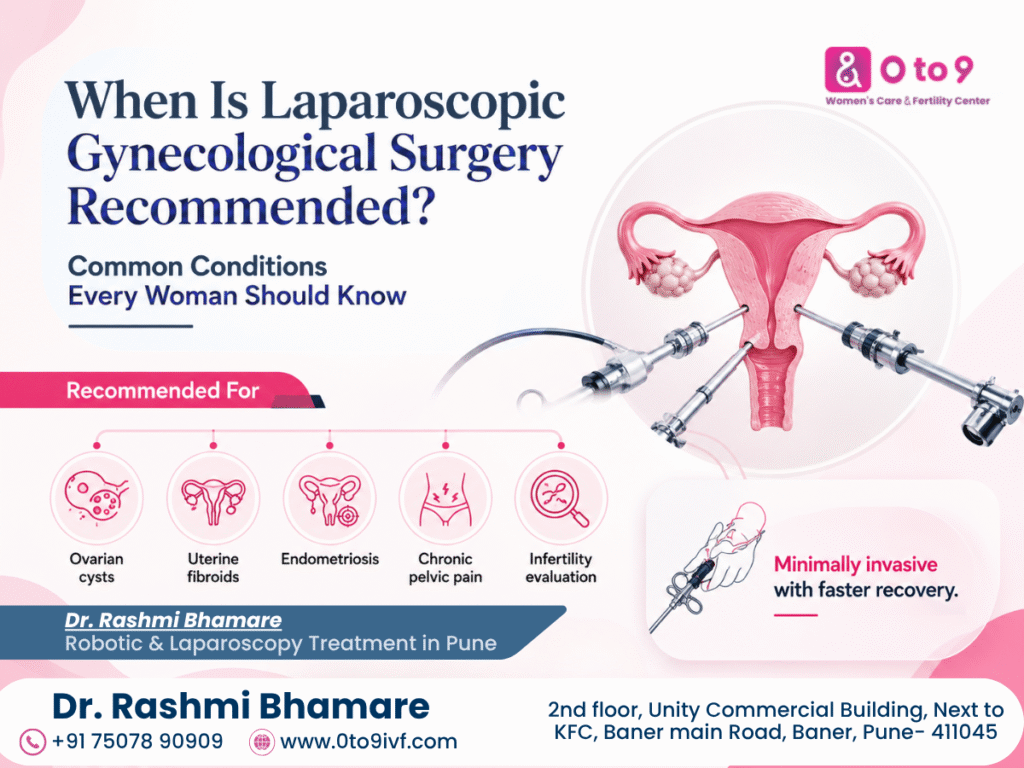
Advances in medical technology have transformed the way many gynecological conditions are diagnosed and treated. One of the most significant developments is laparoscopic surgery, a minimally invasive procedure that allows doctors to treat various reproductive health issues with smaller incisions, less pain, and faster recovery compared to traditional open surgery.
Today, many women are advised to undergo gynecologic laparoscopic treatment for conditions affecting the uterus, ovaries, fallopian tubes, and other pelvic organs. However, many patients are unsure about when this type of surgery is recommended and whether it is the right option for them.
If you are experiencing persistent gynecological symptoms, consulting an experienced gynecologist in Pune can help determine whether laparoscopic surgery may be beneficial. Understanding the common conditions treated with laparoscopy can help you make informed decisions about your health.
What Is Gynecologic Laparoscopic Treatment?
Gynecologic laparoscopy is a minimally invasive surgical technique that uses a thin instrument called a laparoscope, which contains a camera and light source. The surgeon inserts the laparoscope through small incisions in the abdomen to visualize and treat pelvic organs.
Unlike traditional surgery, laparoscopy typically involves:
- Smaller incisions
- Reduced postoperative pain
- Shorter hospital stays
- Faster recovery times
- Lower risk of infection
According to the American College of Obstetricians and Gynecologists (ACOG), minimally invasive gynecologic surgery often provides comparable outcomes to open surgery while offering several patient benefits.
Source: https://www.acog.org
Because of these advantages, gynecologic laparoscopic treatment has become a preferred approach for many gynecological procedures.
When Do Doctors Recommend Laparoscopic Gynecological Surgery?
Laparoscopic surgery is not recommended for every condition. Doctors carefully evaluate symptoms, imaging results, medical history, and treatment goals before suggesting surgery.
Generally, laparoscopy may be recommended when:
- Symptoms significantly affect quality of life
- Medication has not provided adequate relief
- Diagnosis requires direct visualization of pelvic organs
- Surgical treatment offers the best long-term outcome
The decision is always individualized based on the patient’s health status and reproductive goals.
Common Conditions Treated With Gynecologic Laparoscopic Treatment
Several gynecological disorders can be effectively diagnosed or treated through laparoscopy.
1. Endometriosis
Endometriosis occurs when tissue similar to the uterine lining grows outside the uterus. It can cause:
- Severe menstrual pain
- Chronic pelvic pain
- Pain during intercourse
- Fertility problems
The World Health Organization estimates that endometriosis affects approximately 10% of women of reproductive age worldwide.
Source: https://www.who.int/news-room/fact-sheets/detail/endometriosis
Laparoscopy is considered one of the most effective methods for diagnosing and treating endometriosis. During the procedure, abnormal tissue can often be removed, helping reduce symptoms and improve fertility outcomes.
2. Ovarian Cysts
Many ovarian cysts resolve naturally without treatment. However, surgery may be recommended if a cyst:
- Continues to grow
- Causes pain
- Appears suspicious on imaging
- Leads to complications such as ovarian torsion
In many cases, laparoscopic surgery allows removal of the cyst while preserving healthy ovarian tissue.
3. Uterine Fibroids
Fibroids are noncancerous growths that develop within or around the uterus. Depending on their size and location, they can cause:
- Heavy menstrual bleeding
- Pelvic pressure
- Frequent urination
- Fertility difficulties
Certain fibroids can be removed through laparoscopic procedures, reducing symptoms while preserving the uterus whenever appropriate.
How Laparoscopy Helps With Fertility-Related Conditions
For women struggling with infertility, laparoscopy can play an important diagnostic and therapeutic role.
Many fertility specialists recommend laparoscopy when imaging studies suggest structural abnormalities that may affect conception.
Conditions commonly addressed include:
- Endometriosis-related infertility
- Pelvic adhesions or scar tissue
- Blocked fallopian tubes
- Ovarian cysts affecting reproductive function
Research published by the National Institutes of Health indicates that treating certain pelvic conditions through laparoscopy may improve fertility outcomes in selected patients.
Source: https://www.ncbi.nlm.nih.gov
By identifying and correcting underlying issues, gynecologic laparoscopic treatment may help some women improve their chances of natural conception.
Laparoscopy for Chronic Pelvic Pain
Chronic pelvic pain can significantly affect daily activities, work, relationships, and emotional well-being.
Unfortunately, imaging tests do not always identify the source of pain. In such cases, laparoscopy allows doctors to directly examine the pelvic organs and identify conditions that may otherwise go undetected.
Potential causes include:
- Endometriosis
- Pelvic adhesions
- Ovarian abnormalities
- Chronic pelvic inflammatory disease
For many women, obtaining an accurate diagnosis is the first step toward effective treatment and symptom relief.
Is Laparoscopic Hysterectomy Sometimes Recommended?
Yes. In some situations, a hysterectomy may be performed laparoscopically.
Doctors may recommend this approach for women experiencing:
- Large symptomatic fibroids
- Chronic abnormal uterine bleeding
- Severe endometriosis
- Certain gynecological cancers
- Adenomyosis
According to ACOG, minimally invasive hysterectomy is often associated with shorter recovery periods compared to traditional abdominal surgery.
Source: https://www.acog.org/womens-health
The most appropriate surgical method depends on each patient’s individual condition and overall health.
What Are the Benefits of Gynecologic Laparoscopic Treatment?
One reason laparoscopic surgery has become increasingly popular is the range of benefits it offers.
Key Advantages Include:
- Smaller scars and improved cosmetic outcomes
- Reduced blood loss during surgery
- Less postoperative discomfort
- Faster return to daily activities
- Shorter hospitalization
- Lower risk of wound complications
Many women are able to resume normal activities sooner than they would after open surgery, although recovery time varies depending on the procedure performed.
What Should You Expect During Recovery?
Recovery from laparoscopic surgery is generally quicker than recovery from traditional open surgery.
Most patients can:
- Walk within hours after surgery
- Return home the same day or within 24 hours
- Resume light activities within a few days
- Return to work within one to three weeks depending on the procedure
Your surgeon will provide personalized instructions regarding activity restrictions, medications, and follow-up appointments.
Following these recommendations helps ensure optimal healing and recovery.
When Should You Talk to a Gynecologist?
Women should seek medical evaluation if they experience persistent symptoms such as:
- Chronic pelvic pain
- Heavy menstrual bleeding
- Severe menstrual cramps
- Fertility difficulties
- Pelvic masses or ovarian cysts
- Unexplained pelvic discomfort
Early diagnosis often allows for more treatment options and may prevent complications from developing over time.
Read More –
- https://0to9ivf.com/pcos-wont-stop-me-a-clear-path-to-pregnancy-motherhood/
- https://0to9ivf.com/stop-wondering-irregular-periods-know-what-your-body-is-saying/
- https://0to9ivf.com/4-lifestyle-factors-that-influence-fertility/
Conclusion
Laparoscopic surgery has revolutionized women’s healthcare by offering a minimally invasive approach to diagnosing and treating many gynecological conditions. From endometriosis and ovarian cysts to fibroids and fertility-related concerns, gynecologic laparoscopic treatment provides effective treatment with faster recovery and less postoperative discomfort for many patients.
At 0 to 9 Women’s Care Clinic, Dr. Rashmi Bhamre offers comprehensive gynecological evaluations and advanced treatment options tailored to every woman’s unique needs. If you are experiencing pelvic pain, fertility concerns, or other gynecological conditions, consult our team to learn whether gynecological laparoscopic treatment in Pune may be the right solution for you.
#GynecologicLaparoscopicTreatment #GynecLaparoscopicTreatmentInPune #WomensHealth #LaparoscopicSurgery #MinimallyInvasiveSurgery #DrRashmiBhamre #GynecologyCare #PelvicHealth #FertilityCare #WomenWellness