
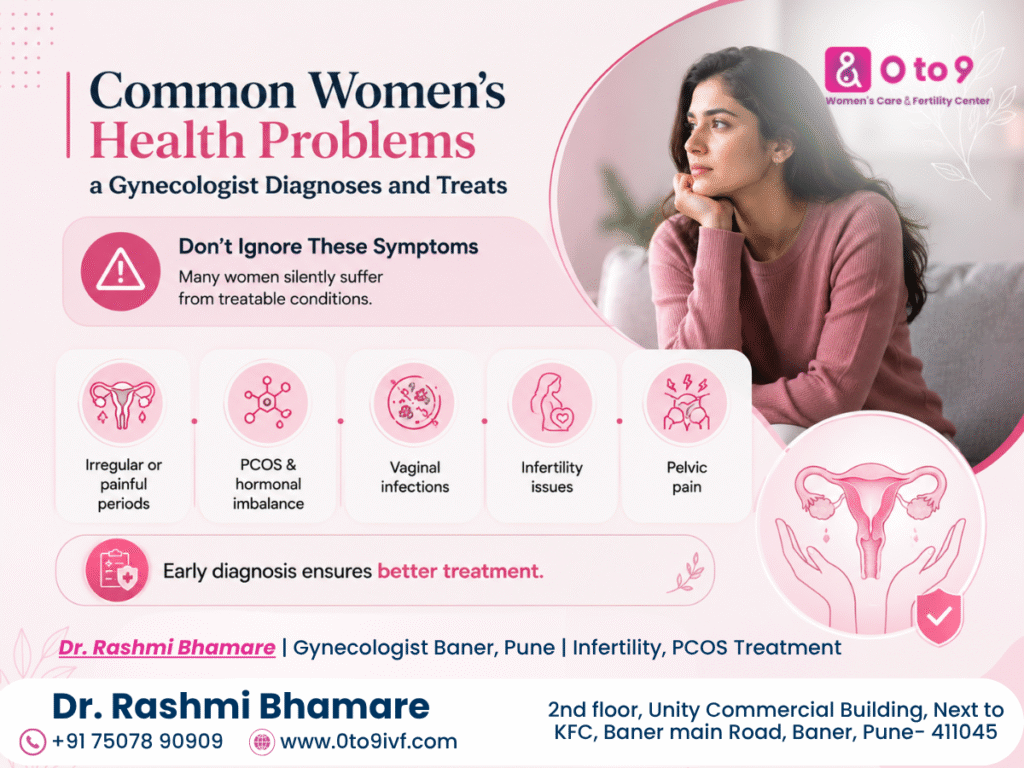
Women’s health needs evolve throughout different stages of life, from adolescence and reproductive years to menopause and beyond. While many women visit a doctor only when symptoms become severe, regular gynecological care plays a crucial role in preventing, diagnosing, and managing a wide range of health conditions.
A qualified gynecologist in Pune can help women maintain their reproductive health, identify potential concerns early, and provide appropriate treatment before complications arise. Whether you are dealing with menstrual irregularities, pregnancy-related concerns, fertility issues, or menopause symptoms, seeking timely medical advice is important.
Women facing difficulties conceiving may also benefit from consulting an infertility specialist in Pune as part of their reproductive healthcare journey. Understanding the common conditions a gynecologist diagnoses and treats can help women take a more proactive approach to their health.
Why Regular Gynecological Care Matters
Many gynecological conditions develop gradually and may not show obvious symptoms in the early stages. Regular checkups allow healthcare providers to detect abnormalities early and recommend appropriate treatment.
According to the World Health Organization (WHO), preventive healthcare and early diagnosis play a vital role in improving women’s health outcomes and quality of life.
Source: https://www.who.int
A gynecologist not only treats existing conditions but also helps educate women about preventive care, healthy lifestyle habits, reproductive planning, and long-term wellness.
Common Menstrual Disorders Diagnosed by a Gynecologist in Pune
Menstrual health is often one of the first indicators of overall reproductive health. Changes in menstrual cycles can sometimes signal underlying medical conditions.
Some common menstrual problems include:
- Irregular periods
- Heavy menstrual bleeding
- Painful periods (dysmenorrhea)
- Missed periods
- Abnormal uterine bleeding
According to the American College of Obstetricians and Gynecologists (ACOG), menstrual disorders are among the most common reasons women seek gynecological care.
Source: https://www.acog.org
A gynecologist evaluates hormonal function, lifestyle factors, and possible medical causes to determine the most effective treatment plan.
Polycystic Ovary Syndrome (PCOS)
PCOS is one of the most frequently diagnosed hormonal disorders affecting women of reproductive age.
Symptoms may include:
- Irregular menstrual cycles
- Excess facial or body hair
- Acne
- Weight gain
- Difficulty conceiving
The World Health Organization estimates that PCOS affects approximately 8% to 13% of reproductive-age women globally.
Source: https://www.who.int/news-room/fact-sheets/detail/polycystic-ovary-syndrome
A gynecologist can diagnose PCOS through clinical evaluation, hormone testing, and ultrasound examinations. Early treatment can help manage symptoms and reduce long-term health risks.
Fertility and Reproductive Health Concerns
Difficulty conceiving is another common reason women seek gynecological care.
Infertility may result from:
- Ovulation disorders
- PCOS
- Endometriosis
- Blocked fallopian tubes
- Hormonal imbalances
- Age-related fertility decline
According to WHO, infertility affects approximately 1 in 6 people worldwide during their lifetime.
Source: https://www.who.int/news-room/fact-sheets/detail/infertility
A gynecologist can perform fertility assessments, recommend investigations, and coordinate treatment plans to improve the chances of conception.
Endometriosis
Endometriosis occurs when tissue similar to the uterine lining grows outside the uterus.
Common symptoms include:
- Severe menstrual pain
- Chronic pelvic pain
- Pain during intercourse
- Fertility challenges
- Heavy menstrual bleeding
The condition affects approximately 190 million women and girls worldwide, according to WHO.
Source: https://www.who.int/news-room/fact-sheets/detail/endometriosis
Unfortunately, endometriosis is often underdiagnosed because symptoms may be mistaken for normal menstrual discomfort. A gynecologist can identify the condition and recommend appropriate treatment options.
Ovarian Cysts and Fibroids
Many women develop ovarian cysts or uterine fibroids during their lifetime.
Ovarian Cysts
Ovarian cysts are fluid-filled sacs that develop on the ovaries. While many cysts are harmless and disappear on their own, some may cause:
- Pelvic pain
- Bloating
- Menstrual irregularities
- Pressure symptoms
A gynecologist uses ultrasound imaging to monitor and evaluate cysts when necessary.
Uterine Fibroids
Fibroids are noncancerous growths within the uterus that can lead to:
- Heavy periods
- Pelvic pressure
- Frequent urination
- Fertility issues
According to the National Institutes of Health (NIH), up to 70% to 80% of women may develop uterine fibroids by age 50.
Source: https://www.nih.gov
Treatment depends on symptom severity, fibroid size, and future pregnancy plans.
Pregnancy and Prenatal Care
Pregnancy care is one of the most important services provided by a gynecologist.
Prenatal care helps:
- Monitor fetal development
- Identify pregnancy complications early
- Manage maternal health conditions
- Provide nutritional guidance
- Support healthy delivery outcomes
Research consistently shows that regular prenatal care contributes to healthier pregnancies and improved outcomes for both mother and baby.
A gynecologist guides women through every stage of pregnancy, from conception to postpartum recovery.
Vaginal Infections and Reproductive Tract Infections
Vaginal infections are extremely common and can affect women of all ages.
Common causes include:
- Yeast infections
- Bacterial vaginosis
- Sexually transmitted infections (STIs)
- Urinary tract infections affecting reproductive health
Symptoms may include abnormal discharge, itching, irritation, burning, or pelvic discomfort.
Prompt diagnosis and treatment help prevent complications and improve quality of life.
Menopause and Hormonal Changes
Menopause is a natural phase of life, but many women experience symptoms that significantly affect daily functioning.
Common symptoms include:
- Hot flashes
- Night sweats
- Mood changes
- Vaginal dryness
- Sleep disturbances
According to the North American Menopause Society, menopause-related symptoms can vary widely in severity and duration.
Source: https://www.menopause.org
A gynecologist can recommend lifestyle modifications, medical treatments, and hormonal therapies when appropriate to help women navigate this transition comfortably.
Cervical Cancer Screening and Preventive Care
Preventive healthcare is one of the most valuable aspects of gynecological care.
Regular screenings may include:
- Pap smear testing
- HPV screening
- Breast examinations
- Pelvic examinations
- Contraceptive counseling
The Centers for Disease Control and Prevention (CDC) emphasizes that routine cervical cancer screening significantly reduces the risk of advanced cervical cancer through early detection.
Source: https://www.cdc.gov/cancer/cervical
These preventive measures can identify abnormalities before they become serious health concerns.
When Should You Visit a Gynecologist?
Women should schedule an appointment if they experience:
- Persistent pelvic pain
- Irregular or heavy periods
- Fertility concerns
- Vaginal infections
- Unusual discharge or bleeding
- Menopause-related symptoms
- Pregnancy-related concerns
Seeking timely medical attention can lead to earlier diagnosis, more treatment options, and better long-term health outcomes.
Read More –
- https://0to9ivf.com/how-essential-oils-can-help-pregnant-women-relax-sleep-better-reduce-nausea/
- https://0to9ivf.com/myth-vs-fact-eating-for-two-during-pregnancy/
- https://0to9ivf.com/planning-pregnancy-prepare-your-body-the-right-way-with-expert-care-in-baner-pune/
Conclusion
Women’s health encompasses far more than reproductive care alone. From menstrual disorders and PCOS to fertility concerns, pregnancy care, menopause management, and preventive screenings, a gynecologist in Pune plays an essential role in supporting lifelong wellness.
At 0 to 9 Women’s Care Clinic, Dr. Rashmi Bhamre provides comprehensive, compassionate, and personalized care for women at every stage of life. Whether you need preventive screenings, fertility guidance, pregnancy care, or treatment for gynecological conditions, our experienced team is committed to helping you achieve optimal health with expert support from a trusted gynecologist in Pune.
#GynecologistInPune #WomensHealth #DrRashmiBhamre #PCOSAwareness #FertilityCare #PregnancyCare #GynecologyClinic #WomenWellness #PreventiveHealthcare #0to9WomensCareClinic